Welcoming Keele University Interns: Growing Skills, Growing Impact
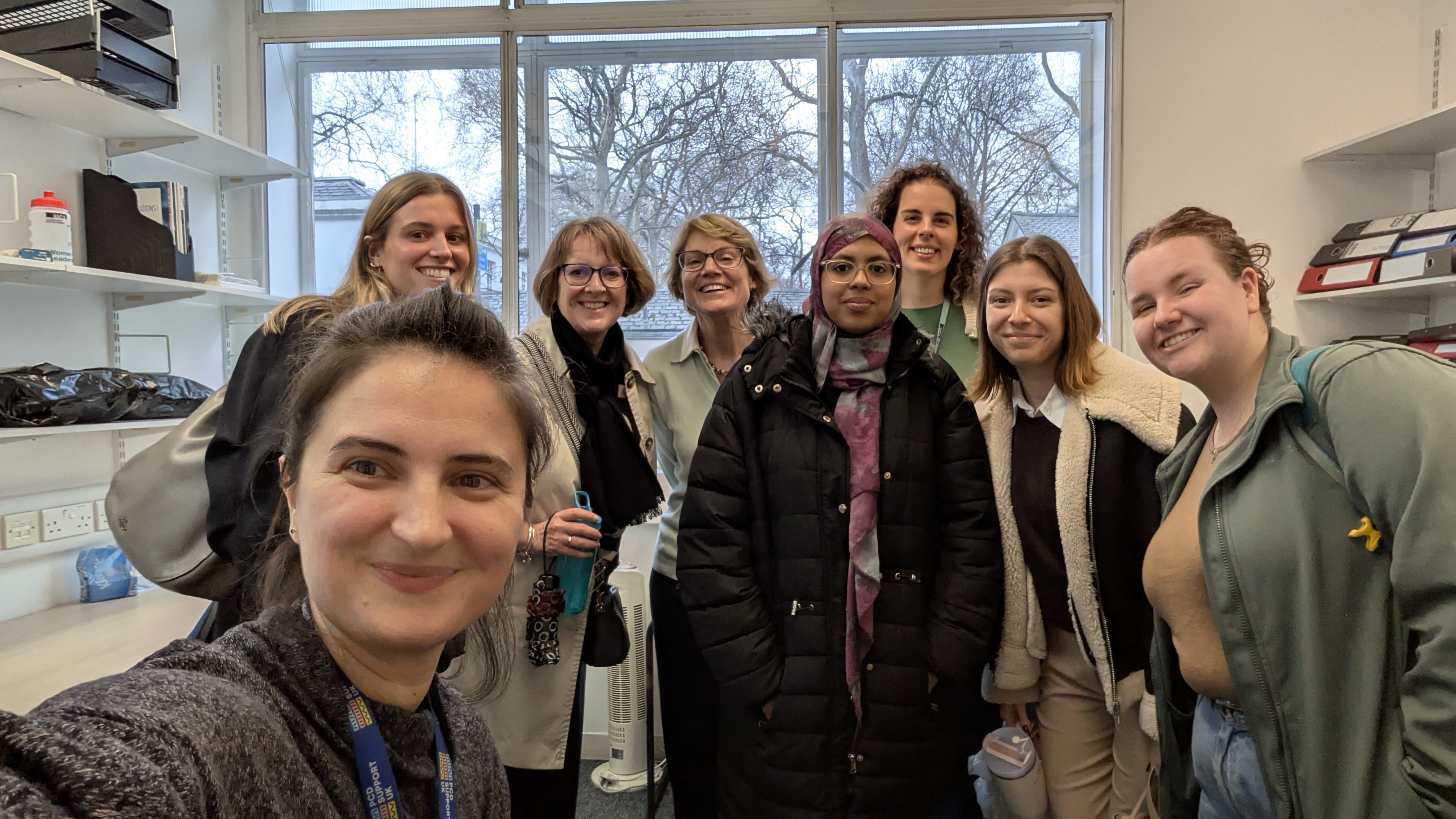
This year, we were delighted to welcome a group of talented interns from Keele University to the Ciliopathy Alliance UK. As part of their course, each student completed 75 hours of work with us over four months — and what they achieved in that short time has been remarkable.
We designed the internship roles around three key priorities in our three‑year roadmap:
- Strengthening our communications
- Enhancing advocacy and stakeholder engagement
- Creating clearer, more accessible research content for our website
The students applied by email, and shortlisted candidates were invited to interview. As part of the process, they were asked to create a Rare Disease Day social media advert — a brilliant way to see their creativity and communication skills in action. Nine students were interviewed by two of our trustees, and the strongest candidates were offered placements.
Getting Started
Once selected, the interns were onboarded by Fiona Copeland, who introduced them to our work, our team, and our communication tools. They were given access to SharePoint, briefed on confidentiality, and asked to write short bios for our website and newsletter. Each intern received a project timetable and joined weekly catch‑up meetings to help guide their progress.
Alongside formal meetings, the group used WhatsApp to stay connected — a simple but effective way to keep momentum going.
What They Delivered
At the end of their placements, each intern produced a detailed report summarising:
- The reviews they carried out
- The people they met and interviewed
- Their recommendations for short‑, medium‑, and long‑term improvements
These reports now form a valuable foundation for strengthening our communications and engagement with families, clinicians, researchers, and partners.
A Visit to the Lab
One of the highlights of the programme was a visit to Professor Hannah Mitchison’s laboratory. The interns had the chance to see PCD research up close and meet the scientists behind it. The visit helped them understand how laboratory research and clinical practice connect — and why communication is just as important as technical expertise. It was a rewarding experience for both the interns and the research team.
Celebrating Success
All of our interns brought enthusiasm, curiosity, and a genuine desire to learn about ciliopathies. They helped us identify what we’re doing well and where we can improve, and they contributed fresh ideas that will help shape our future work.
We’re especially proud that one of our interns has since secured a PhD position in Cystic Fibrosis research at Queen’s University Belfast — and she believes her time with us played a part in that success. She has also kindly offered to continue volunteering with us.
What We Learned
Running this internship programme has taught us a lot:
- Lab visits are incredibly valuable for students and researchers alike.
- Internships help us reach students we wouldn’t normally connect with.
- They offer a great way to raise awareness of ciliopathies while gaining extra support.
- Clearer project scopes would help interns deliver even more.
- Hosting three interns at once was ambitious — one intern per trustee may work better next time.
- Second‑year students may find it easier to balance the workload than third‑years.
Looking Ahead
This partnership with Keele University has been a wonderful experience. We’ve gained new insights, new energy, and new advocates for ciliopathy research — and we hope to continue offering opportunities like this in the future.
If you’re a student interested in rare diseases, communications, or research engagement, keep an eye on our website and social media channels for future opportunities.